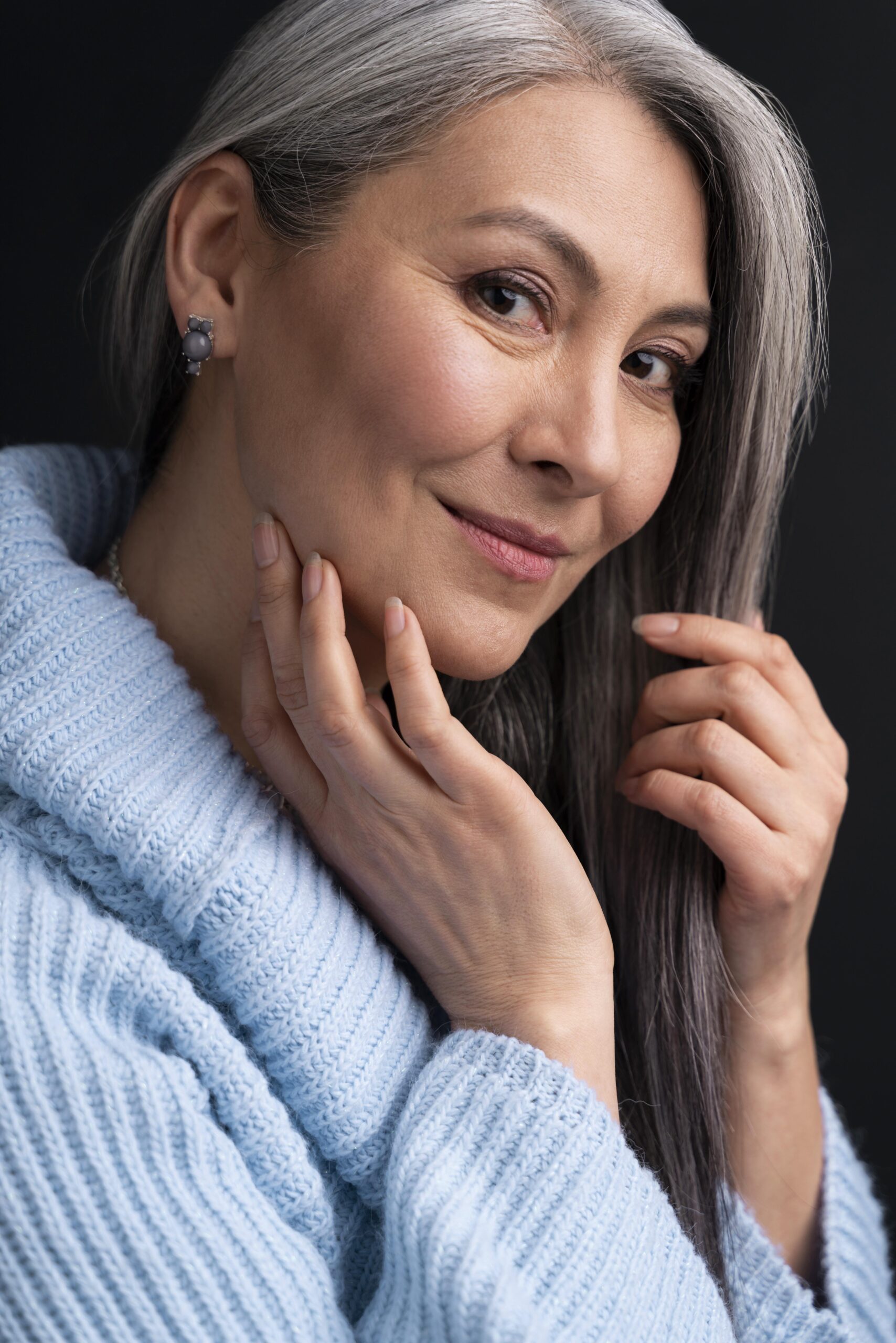
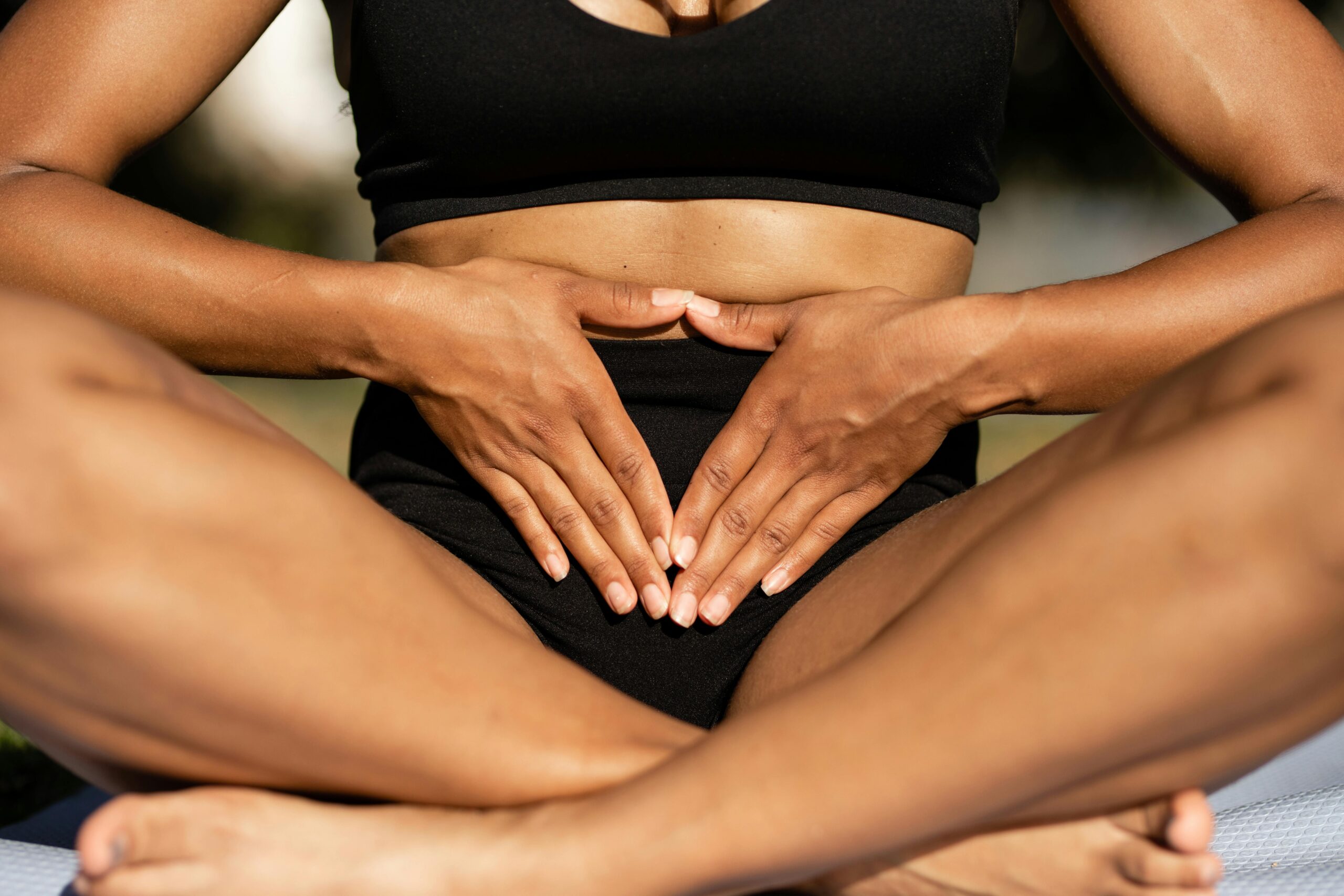
There was a time in my life when I woke up each morning feeling like a stranger in my own body. The fatigue was overwhelming, my moods swung unpredictably, and no matter what I ate, I seemed to carry constant bloating with me. On top of that, my cycles became irregular, my skin lost its glow, and I felt weighed down by brain fog and anxiety. If you’ve ever looked in the mirror and thought, This isn’t me anymore, then you know exactly what I’m describing.
At first, I tried to brush it off. I told myself it was just stress, too much coffee, or maybe not enough sleep. But deep down, I knew something more was going on. After a series of frustrating doctor visits that left me with vague answers and little improvement, I decided to take matters into my own hands. I started reading everything I could find—scientific articles, wellness blogs, books on hormone health. I joined online seminars and learned from functional medicine practitioners who viewed health more holistically. Slowly, I began piecing together the puzzle of what was happening inside me: my hormones were out of balance.
Once I understood this, I began to look at my daily life differently. I realized that stress was not just “in my head” but affecting my cortisol and, in turn, my thyroid and progesterone. Poor sleep wasn’t just making me tired — it was disrupting my circadian rhythm and hormone cycles. My diet, heavy in sugar and processed foods at the time, was wreaking havoc on my insulin and estrogen balance. When I started making changes, the results didn’t happen overnight, but I noticed small shifts: my energy improved, my mood swings softened, my digestion calmed down. Each little win gave me hope.
Transform Your Gut Health and Achieve Clear and Radiant Skin At Any Age!
One of the most important lessons I learned is that lifestyle is the foundation of hormone health. Science shows that the way we eat, sleep, move, and manage stress directly influences how our hormones function. When I committed to eating whole foods, focusing on protein, fiber, and healthy fats like nuts, seeds, and salmon, I could feel the difference. Fiber, I learned, helps the body metabolize estrogen more effectively, while healthy fats are essential for hormone production. Adding flaxseeds into my smoothies was a small step that made me feel supported.
Sleep was another game-changer. I used to scroll on my phone until midnight, but once I started creating a routine—turning off screens an hour before bed, dimming the lights, and going to sleep at the same time every night—I woke up with more energy. Good sleep supports cortisol, melatonin, thyroid hormones, and even sex hormones.
Stress management was perhaps the hardest change for me. For so long, I lived in a constant state of rushing, overthinking, and pushing myself beyond my limits. But over time, I discovered the calming power of simple rituals. Just five minutes of slow breathing in the morning set the tone for my entire day. Gentle yoga, journaling, and walking outside helped me reset when I felt overwhelmed. Science backs this up—chronic stress pushes cortisol levels high, which in turn disrupts nearly every other hormone in the body.
Movement also became a form of medicine. I let go of punishing workouts and instead focused on strength training, yoga, and long walks. These types of exercise not only improved my energy but also boosted my insulin sensitivity, which plays a huge role in balancing female hormones.
Once I built a strong foundation with food, sleep, stress management, and movement, I felt ready to explore natural supplements to support my body even further. I was cautious here—I didn’t want quick fixes or miracle claims. I wanted supplements that had solid reviews, scientific backing, and ingredients women like me had actually found helpful. Here are a few that stood out:
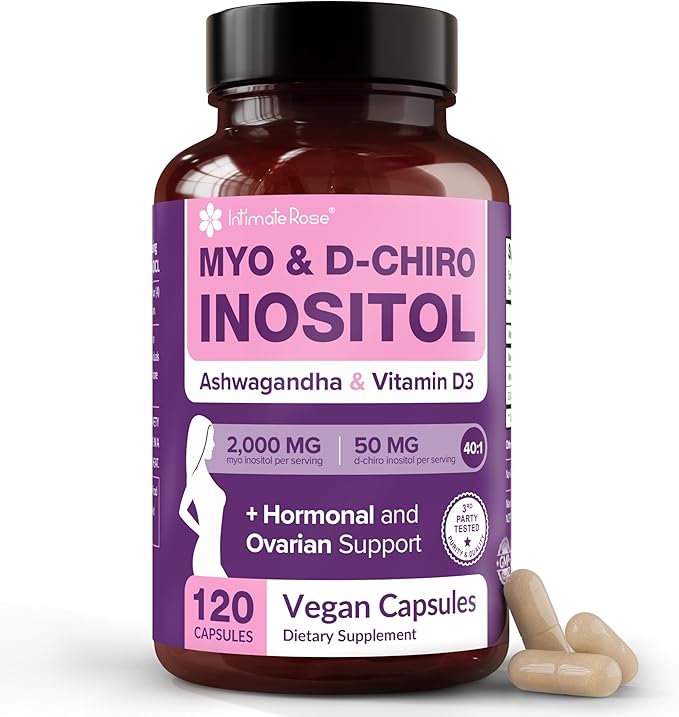
Intimate Rose Myo-Inositol & D-Chiro-Inositol Blend
What It Does / What Science Suggests:
Myo-inositol + D-chiro-inositol are known to support ovarian function, improve insulin sensitivity, and help with hormone balance. For many women with PCOS or irregular cycles, this combo has been helpful
How To Used It / Tips:
I used it for ~8 weeks. Took as directed. Noted fewer mood swings, more regular cycles (for me), less acne/bloating
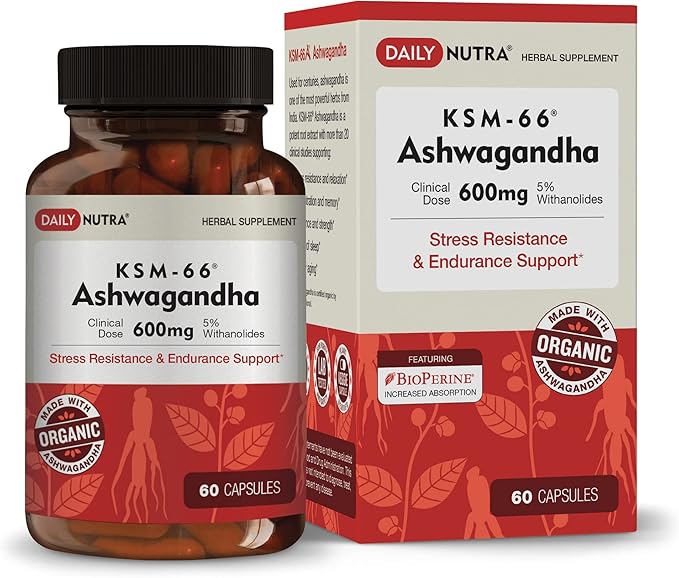
Hormone Balance for Women – Ashwagandha (KSM-66)
What It Does / What Science Suggests:
Ashwagandha is an adaptogenic herb studied for reducing cortisol, anxiety, improving sleep. Helps the stress system, which positively feeds into hormone balance.
How To Used It / Tips
I took it in capsule form, in the evening. Felt calmer, better sleep, better response to stress.
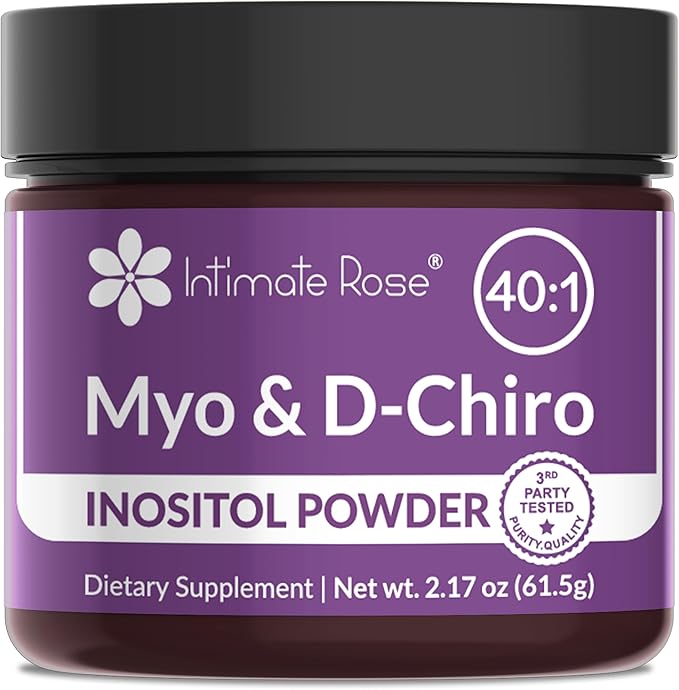
Intimate Rose Hormone Balance Inositol Powder
What It Does / What Science Suggests:
Contains herbs, vitamins, and botanicals aimed at improving mood, skin, sleep, and menstrual/hormone-related symptoms. Good reviews for helping stabilize mood + reduce fatigue.
How To Used It / Tips
Use them with a clean diet; noticed differences over a few weeks in cycle symptoms.
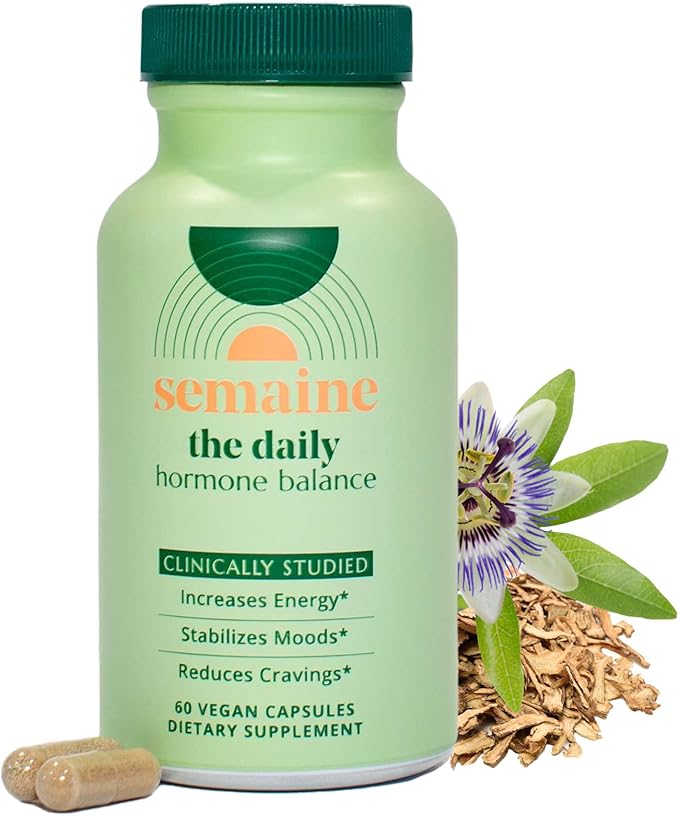
Semaine Daily Hormone Balance (Vegan, Hormone-Free, Multi-Symptom Support)
What It Does / What Science Suggests:
Contains herbs, vitamins, and botanicals aimed at improving mood, skin, sleep, and menstrual/hormone-related symptoms. Good reviews for helping stabilize mood + reduce fatigue.
How To Used It / Tips
I played around with timing (morning vs evening), always with food. Also noticed skin looked clearer, less “monthly blues.”
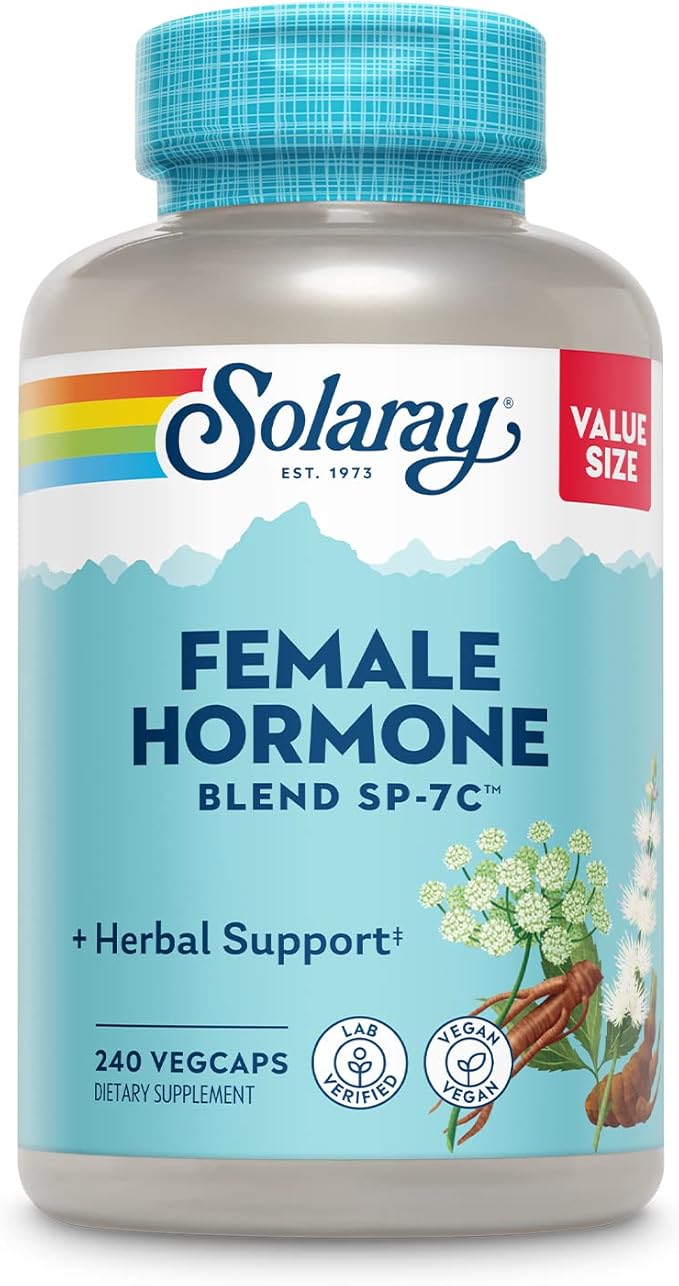
SOLARAY Female Hormone Blend SP-7C
What It Does / What Science Suggests:
Blends things like Black Cohosh, Dong Quai, Wild Yam, etc., herbs traditionally used to support hormonal balance in women (especially around menopause / perimenopause). Many Amazon buyers report support for comfort, mood, and cycle symptoms.
How To Used It / Tips
Caution: these herbs can affect estrogen, so check with your doctor. I used for a cycle or two, watched how I felt, then continued only if I had no side effects.
Of course, supplements are not magic pills. They work best when combined with a healthy lifestyle, patience, and self-awareness. I kept a journal to track my symptoms and cycles, and this helped me see the subtle improvements over time.
I also learned that it’s important to listen to your body and know when to seek professional help. If you suspect thyroid issues, PCOS, or menopause-related changes, lab tests can provide clarity. Thyroid panels, cortisol levels, vitamin D, and reproductive hormones can give you and your doctor a clearer picture of what’s happening. If something feels off, don’t dismiss it. Advocate for yourself.
The truth is, healing hormonal imbalance isn’t about chasing perfection. It’s about gently bringing your body back into rhythm, step by step. Some days I still feel off, but I now have tools that help me recover faster and feel more resilient.