
I used to think that endless cardio was the only way to stay in shape. In my twenties and thirties, I spent hours on treadmills, elliptical machines, or running laps outside, convinced that sweating it out was the golden ticket to health and a toned body. And yes, I felt fit in some ways—but as I got older, cardio alone wasn’t cutting it anymore.
Something shifted when I hit my mid thrities. Despite all my effort, I felt weaker, not stronger. My metabolism slowed down, my energy dipped, and the little aches and pains in my joints became more noticeable. The worst part? I started to feel like I was aging faster than I should and that scared me.
It was around this time that I stumbled into strength training. To be honest, I resisted it at first. The weight section of the gym looked intimidating, full of people who seemed to know exactly what they were doing. I worried I’d bulk up or hurt myself. But the more research I did, the more I realized that lifting weights—or even simple bodyweight exercises—wasn’t about “bulking up” at all. It was about building resilience, protecting my bones, boosting my metabolism, and yes, even looking and feeling younger.
So, I gave it a try. And what happened surprised me.
My First Steps Into Strength Training
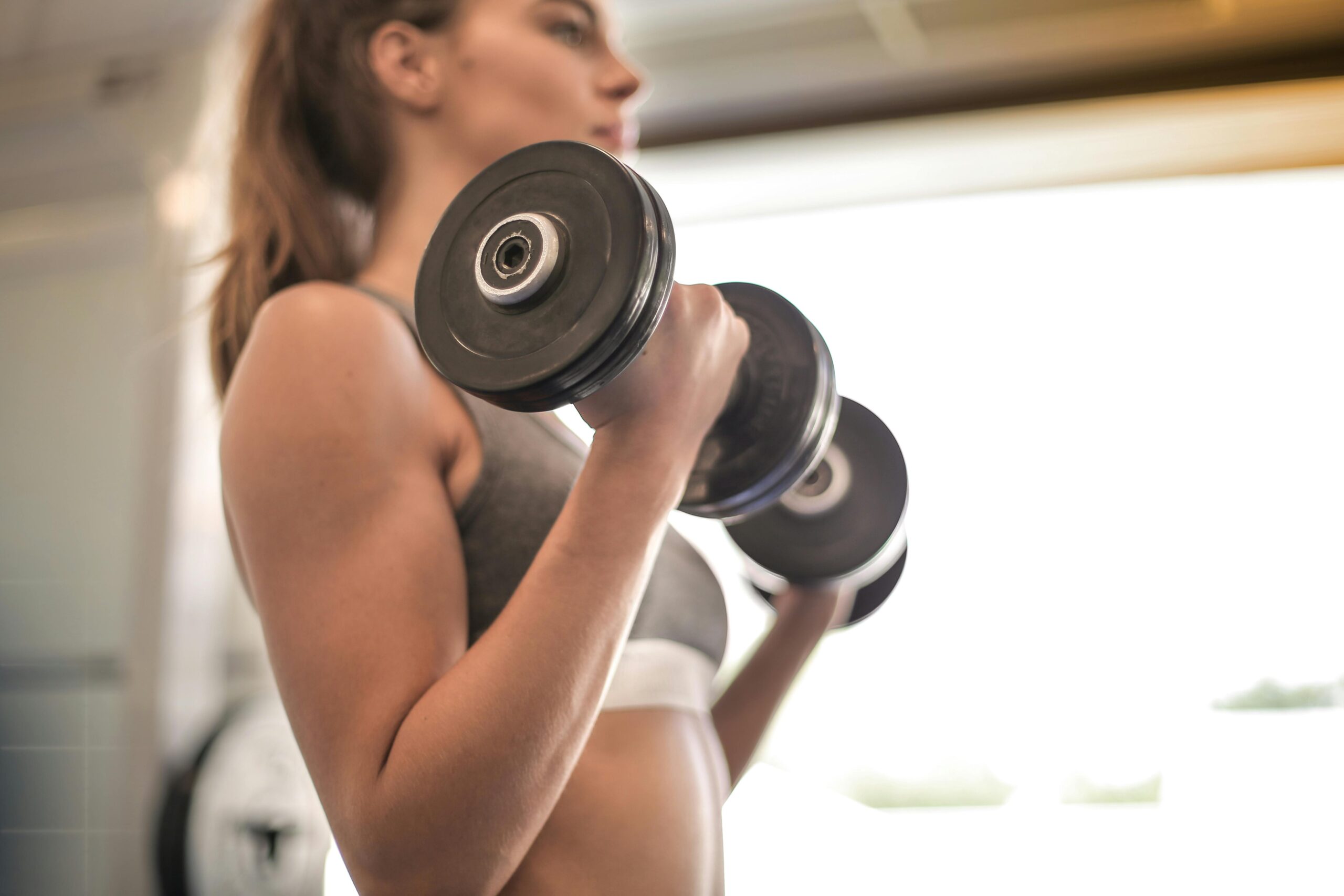
In the beginning, I started small. A set of light dumbbells at home, a few YouTube tutorials, and short sessions a couple of times a week. At first, my muscles felt shaky and sore in places I didn’t even know existed. But after a few weeks, I noticed something amazing: my energy levels were higher, my posture improved, and I felt… solid. Strong in a way I hadn’t felt in years.
Within a few months, I saw even bigger changes. My clothes fit differently, not because I lost a ton of weight, but because my body composition shifted. I had more definition in my arms, my waist felt tighter, and those stubborn areas that cardio never seemed to touch began to change. Most importantly, I felt younger. My mood was better, I slept more deeply, and my confidence soared.
The Science Behind Why Strength Training Is Anti-Aging
What I was experiencing wasn’t just in my head—it was biology. Science shows that after the age of 30, we naturally begin to lose muscle mass, a process called sarcopenia. By the time we reach 40, this loss can accelerate, and if we don’t actively fight it, we may lose up to 5% of muscle mass per decade. That loss isn’t just about looks—it impacts metabolism, balance, and overall vitality.
Strength training combats this decline directly by stimulating muscle growth and strengthening bones. Research also shows that resistance training increases bone density, which is especially important for women, since the risk of osteoporosis rises with age. Strong bones and muscles mean fewer injuries, more mobility, and a body that supports an active, independent lifestyle for years to come.
Another fascinating benefit? Hormones. Strength training boosts growth hormone and testosterone, which play roles in energy, fat distribution, and muscle repair. For women, this doesn’t mean “getting bulky”—instead, it helps maintain a leaner, more youthful body composition. Strength training has also been shown to improve insulin sensitivity, which supports stable energy levels and lowers the risk of diabetes.
And then there’s the mental side. Studies show that lifting weights reduces anxiety and depression, improves memory, and even supports brain health as we age. That “feel-good” confidence I experienced wasn’t just psychological—it was physiological too.
Turn On Your Body's Fat Burning Power House!
Why Cardio Alone Isn’t Enough
Now, don’t get me wrong—I’m not saying cardio is bad. Walking, cycling, swimming, or even a jog in the park all have incredible benefits for heart health, endurance, and stress relief. But cardio alone isn’t the best strategy for anti-aging. Here’s why:
Cardio burns calories in the moment, but strength training creates what’s called the “afterburn effect”—your metabolism stays elevated for hours after your workout as your body repairs and builds muscle. Over time, this means your body burns more calories at rest, which is crucial since metabolism naturally slows as we age.
Cardio doesn’t do much for bone density or muscle mass, two of the most important factors in staying strong and independent later in life. Without strength training, it’s easy to lose muscle tone, which can lead to weakness, weight gain, and even higher risk of falls or injuries as we get older.
How I Made Strength Training Work For Me
One of the best lessons I learned is that strength training doesn’t have to mean heavy barbells or complicated gym machines. In fact, my routine is still simple and flexible. I started with bodyweight movements like squats, push-ups (on my knees at first), lunges, and planks. Over time, I added dumbbells, resistance bands, and kettlebells to challenge myself.
At first, I only trained twice a week, and that was enough to see real change. As I built confidence, I moved up to three or four sessions, but never more than an hour at a time. Consistency matters far more than duration.
The beauty of strength training is that it adapts to you. Whether you’re at home with a couple of dumbbells or at a gym with a full set of equipment, you can create a routine that fits your lifestyle. And if you’re brand new, starting slow and focusing on form is key.
Supplements That Supported My Training
As I built strength, I also explored natural supplements that could support my workouts and recovery. Just like with hormones, I wanted only the best-reviewed, science-backed options available on Amazon.
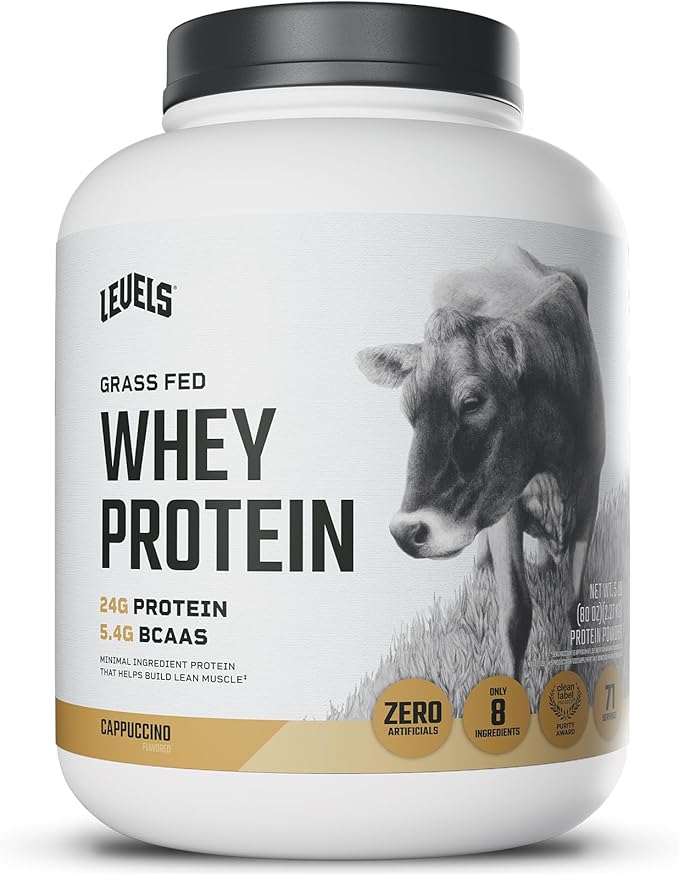
Levels Grass Fed Whey Protein Powder
What It Does / What Science Suggests
High-quality protein helps muscles recover and grow after training. Whey protein is one of the most studied and effective sources.
How I Used It / Tips
I added a scoop to my morning smoothie after workouts. Helped keep me full and energized.
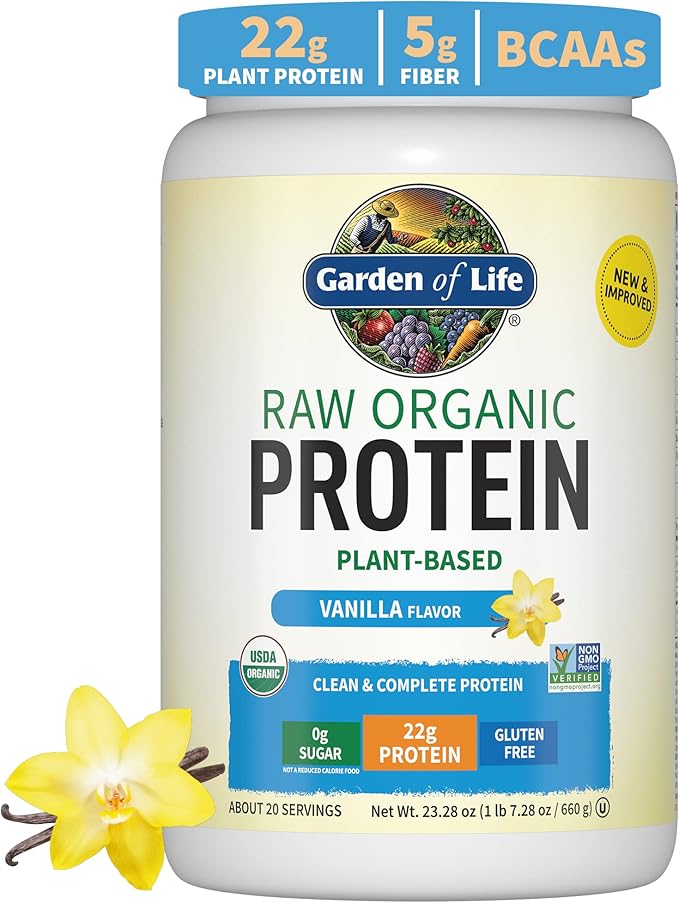
Garden of Life Organic Plant-Based Protein
What It Does / What Science Suggests
For those who prefer plant-based, this blend of peas, sprouted grains, and legumes provides essential amino acids.
How I Used It / Tips
I alternated between this and whey for variety. Tasted great with almond milk and frozen berries.
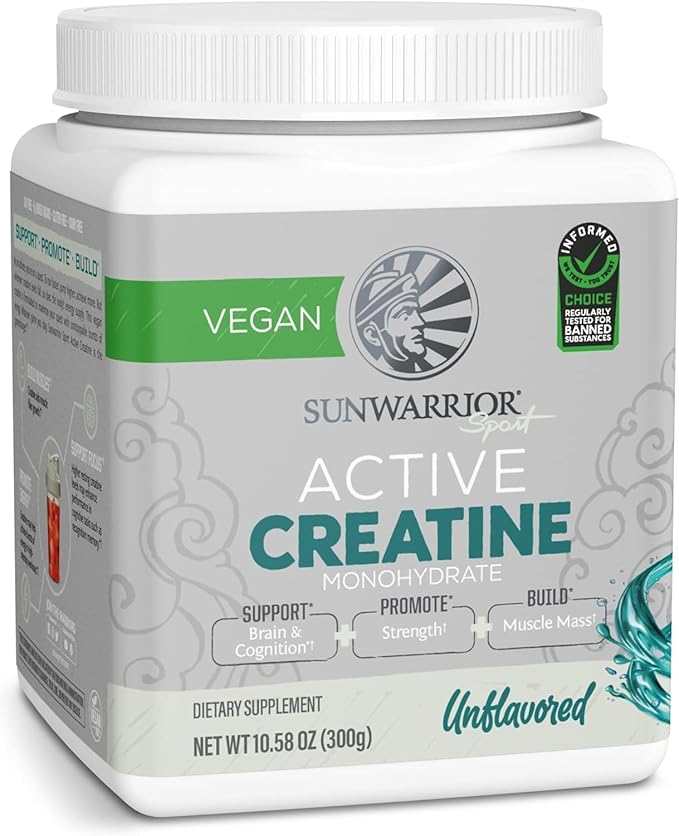
Sunwarrior Creatine Monohydrate Powder
What It Does / What Science Suggests
Creatine is one of the most researched supplements for improving strength, endurance, and muscle recovery. Safe and effective when used correctly.
How I Used It / Tips
I used a small daily dose. Noticed better performance and less fatigue in workouts.
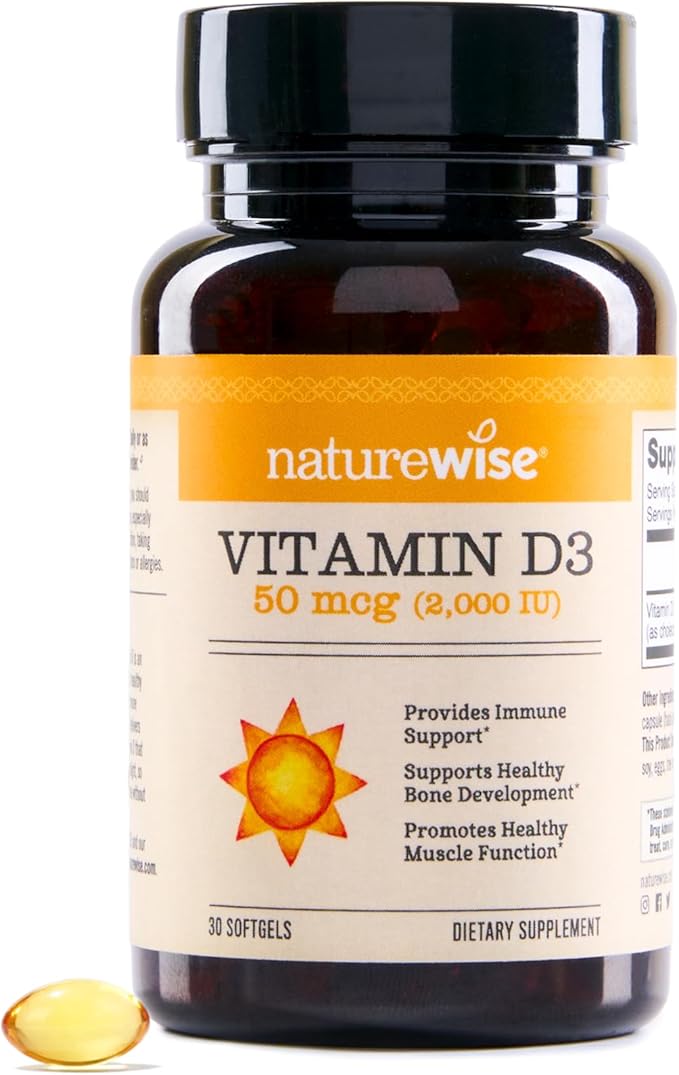
NatureWise Vitamin D3
What It Does / What Science Suggests
Vitamin D supports bone health and muscle function, especially important for women after 40. Many people are deficient without realizing it.
How I Used It / Tips
I took it daily with breakfast. Especially important during winter months.
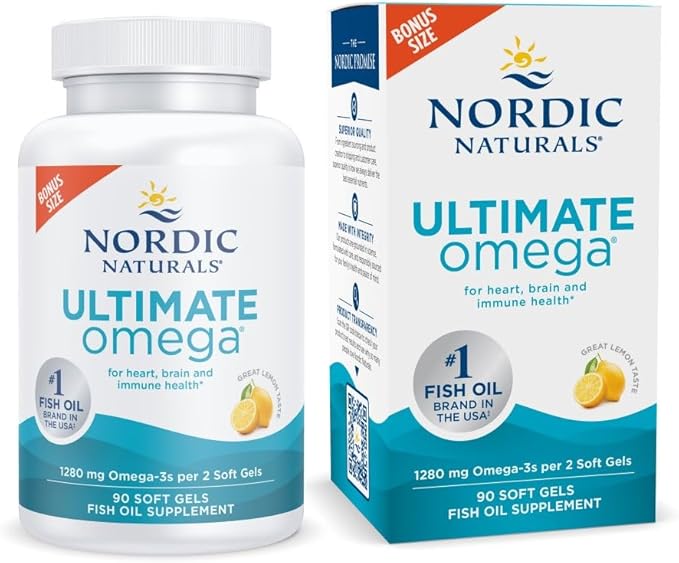
Nordic Naturals Omega-3 Fish Oil
What It Does / What Science Suggests
Omega-3s reduce inflammation, support joint health, and aid in recovery. They also support heart and brain health.
How I Used It / Tips
I took capsules with lunch. Helped ease post-workout soreness and boosted overall wellness.
What Strength Training Gave Me
The physical changes were wonderful, but the emotional ones were even more powerful. Strength training gave me back confidence I didn’t even realize I had lost. For the first time in years, I felt strong, capable, and grounded in my body. I wasn’t exercising to punish myself or burn calories—I was training to support myself, to build a body that could carry me joyfully into the next decades of life.
I realized that aging doesn’t have to mean decline. With the right approach, it can actually mean renewal. I’m no longer afraid of growing older, because I know I’m giving my body the tools it needs to thrive.
Final Thoughts
If you’ve been stuck in the cardio cycle, wondering why your energy feels low, your metabolism sluggish, or your body weaker than before, I encourage you to try strength training. You don’t need to overhaul your life overnight. Start small, start simple, but start.
Your body will thank you. Your bones, your muscles, your hormones, and even your mood will shift in ways you might not believe at first. It’s not just about looking better—it’s about living better.
For me, strength training truly became the ultimate anti-aging secret. And once you experience it for yourself, I think you’ll agree: it changes everything.