There was a time when my life felt like one long episode of “Survivor: Real Life Edition.” Wake up late because I hit snooze five times, spill coffee on my only clean shirt, get stuck in traffic behind someone who thought 15 mph was an acceptable speed, and then walk into a meeting already feeling like I’d run a marathon. And that was before lunch.
If you’ve ever felt like your brain is a web browser with 57 tabs open, one of which is playing loud music you can’t find—you’re not alone. Stress, anxiety, and overwhelm have become the unwelcome roommates of modern life. They eat our snacks, hog our energy, and refuse to pay rent.
For me, the wake-up call came when my “little” stress symptoms weren’t so little anymore. I wasn’t just frazzled—I was snapping at people I love, struggling to sleep, and living in a constant state of “fight or flight.” At first, I thought this was normal. Doesn’t everyone feel this way? But then I started reading about what stress actually does to our bodies, and let me tell you—it’s not pretty.
Why Stress Feels Like a Monster Under the Bed
Here’s the science part (stick with me, it’s important): when we’re stressed, our bodies release cortisol and adrenaline. These hormones are designed to help us survive in emergencies. Great if you’re running from a tiger. Not so great if you’re just trying to find your keys. Chronic stress means these hormones never really turn off, which can lead to hormonal imbalance, fatigue, digestive problems, anxiety, and even weight gain. Basically, stress makes us feel older, grumpier, and more tired than we should.
Once I understood that my stress wasn’t just “in my head” but a full-body experience, I knew I had to do something about it. Spoiler alert: I didn’t sell all my belongings and move to a yurt in the mountains (although that sounded tempting some days). Instead, I discovered simple rituals—little things I could do daily—that calmed my nervous system and helped me feel human again. And the best part? They actually fit into real life.
Exhausted All Day But Your Brain Won’t Shut Off At Night?
The Rituals That Saved My Sanity
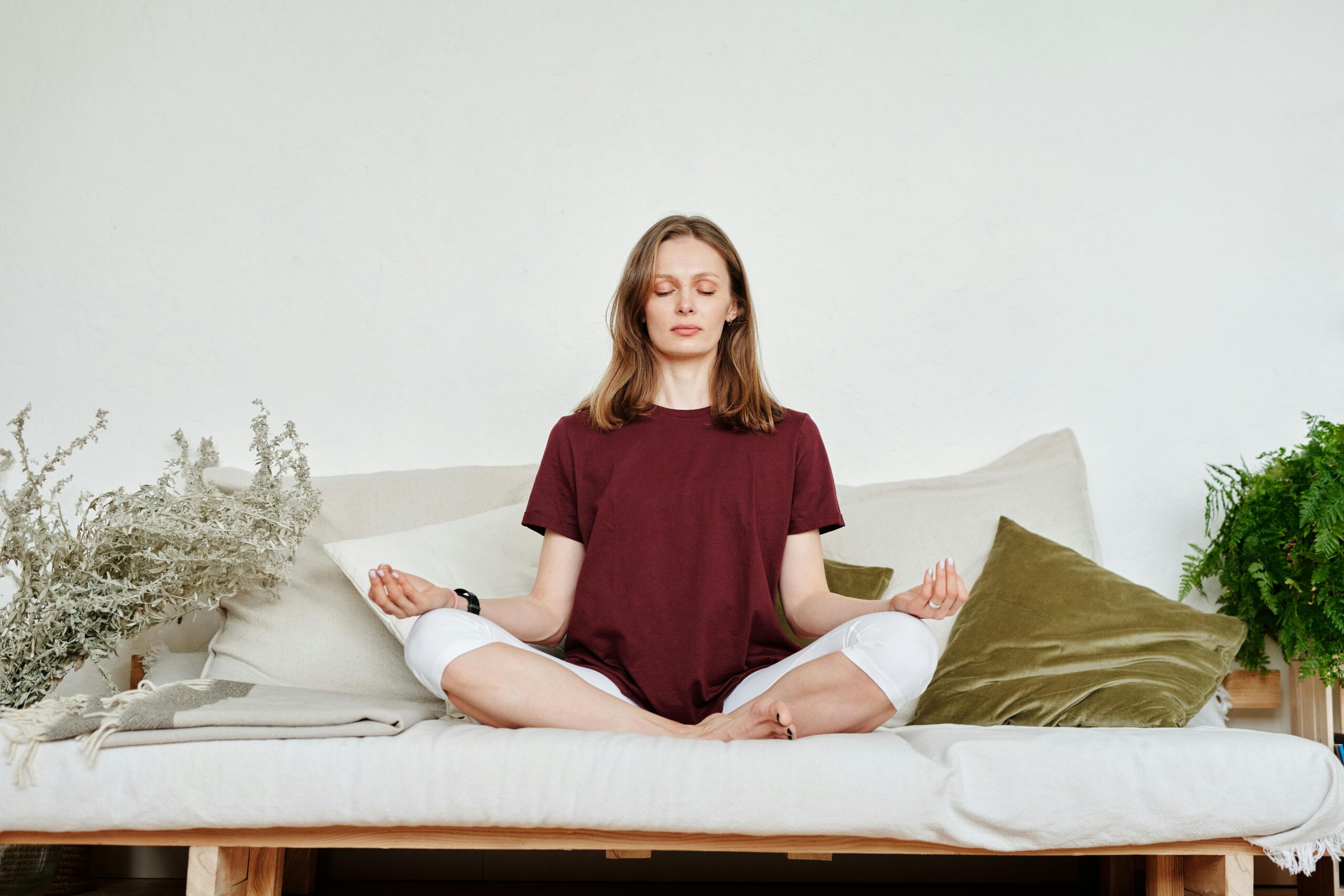
The first ritual I tried was breathing. Yes, I know—that sounds ridiculously basic. But here’s the thing: most of us breathe like we’re in a permanent panic attack—fast, shallow, and from the chest. When I learned to slow down and take deep belly breaths, something magical happened. My racing thoughts slowed, my shoulders unclenched, and I felt like maybe I wasn’t going to scream at the next person who cut me off in traffic. Science backs this up: slow, deep breathing activates the parasympathetic nervous system, which tells the body, “You’re safe, you can relax now.”
Another ritual I adore is what I call “tea time therapy.” I used to down three cups of coffee by noon, which only made my anxiety worse. Swapping at least one of those for herbal tea became a tiny act of kindness to myself. Chamomile and lemon balm are my favorites—they’re calming, gentle, and don’t leave me jittery. Plus, holding a warm mug makes me feel like I have my life together, even when I don’t.
Movement also became non-negotiable. But not in a “kill yourself at the gym” kind of way. For me, it was walking. Just putting on my sneakers, heading outside, and moving my body shifted everything. Walking lowers cortisol, boosts mood, and clears mental clutter. I can’t tell you how many times I started a walk feeling like a stress ball and came back feeling like a slightly better version of myself.
And then there’s laughter. Yes, actual laughter. I started making time for silly things—watching funny shows, sending ridiculous memes to friends, even laughing at my own chaos. Laughter literally lowers stress hormones. So yes, that cat video on YouTube is medicine.
Science-Backed Helpers From Amazon
In addition to rituals, I also explored natural supplements to support my nervous system. I wanted options that were well-reviewed, widely trusted, and backed by research. Here are three that stood out:
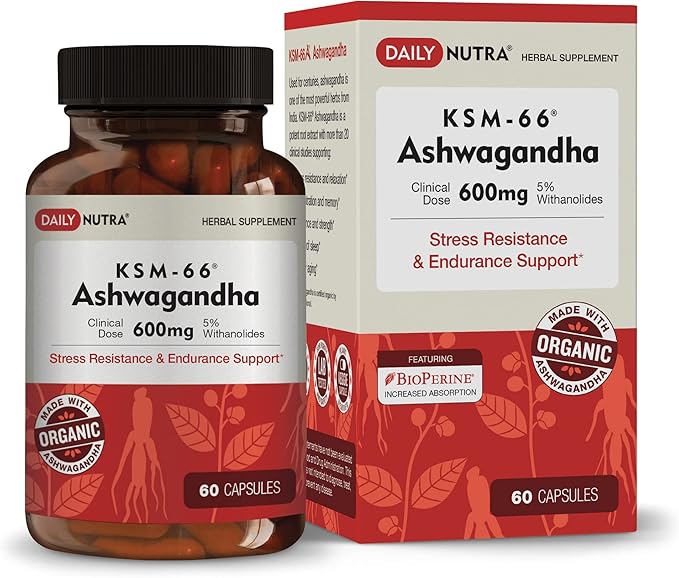
Ashwagandha (KSM-66)
What It Does / What Science Suggests
An adaptogen that helps lower cortisol, improve sleep, and reduce anxiety. Studies show it supports resilience to stress
How I Used It / Tips
I took it in the evening, and within a few weeks I noticed calmer moods and fewer 3 a.m. “what if my life falls apart” wake-ups. Big bonus, it also helped me with my overall hormonal chaos.
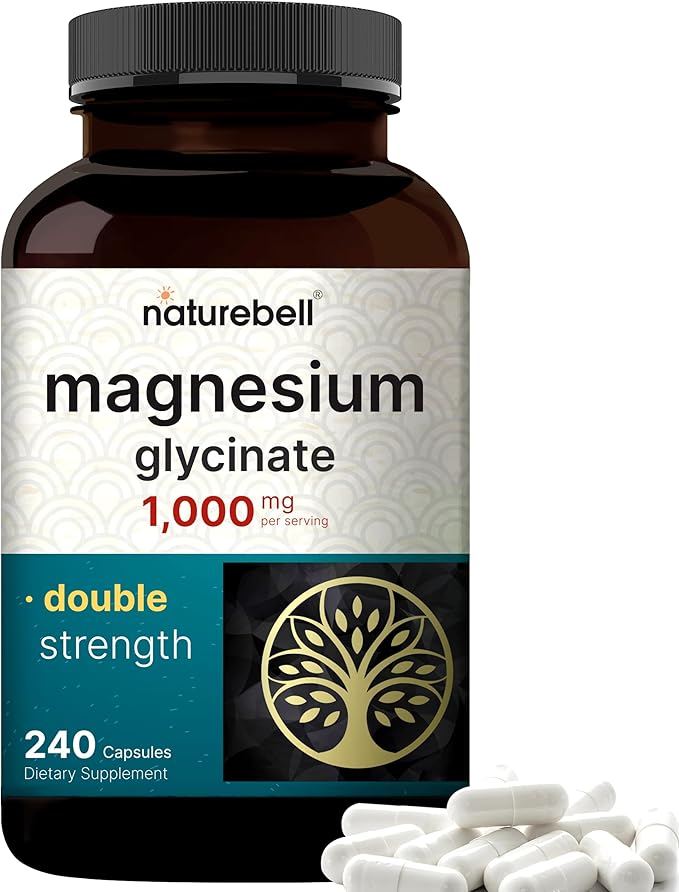
NatureBell Magnesium Glycinate 1,000mg
What It Does / What Science Suggests
Magnesium is crucial for relaxation, sleep, and muscle tension. Many of us are deficient without realizing it.
How I Used It / Tips
I mixed it into warm water before bed. It became my “nightly chill-out drink.” Bonus: it helped with digestion too.
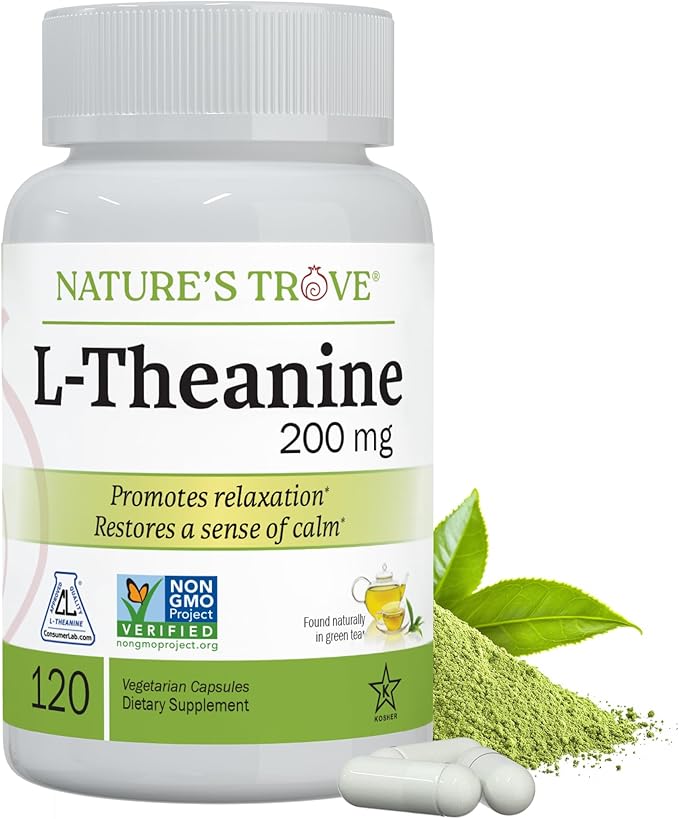
Nature's Trove L-Theanine (from Green Tea Extract)
What It Does / What Science Suggests
An amino acid known for promoting relaxation without drowsiness. Great for calming the mind while staying focused.
How I Used It / Tips
I used it in the afternoons when I felt overwhelmed but still needed to be productive. It took the edge off without making me sleepy.
My Day With Stress-Soothing Rituals
A typical day for me now looks different from my old stress-driven routine. I start the morning not with a frantic scroll through emails, but with a few deep breaths before even getting out of bed. It sounds small, but it sets the tone. Instead of chugging coffee immediately, I make a cup of warm tea and actually sit down to drink it.
During the day, I try to sneak in little resets. Five minutes of stepping outside for fresh air. A walk around the block after lunch. Sometimes I’ll even close my eyes at my desk and just breathe for sixty seconds, pretending I’m somewhere on a beach instead of staring at a to-do list that looks like it was written by Satan himself.
In the evening, I keep my phone out of the bedroom. I can’t tell you how much better I sleep without doomscrolling at midnight. Instead, I mix my magnesium powder, sip it slowly, and maybe read a book or journal. When my mind starts racing, I remind myself: tomorrow is another day, and not everything has to get done right now.
Humor as Medicine
Now when I spill coffee on my shirt, I don’t spiral—I grab a napkin, roll my eyes, and think, “Well, at least it’s not red wine.” When traffic drags on, I play my favorite playlist and turn it into an impromptu concert (though I’m sure the people in the next car think I’ve lost it). These little shifts in perspective remind me that while I can’t always control what happens, I can control how I respond.
Final Thoughts
If you’re feeling stressed, anxious, or overwhelmed right now, please know you’re not broken—you’re human. Stress is part of life, but it doesn’t have to rule your life. Small rituals like deep breathing, walking, tea time, laughter, and intentional breaks truly add up. Combined with the right support—whether that’s a magnesium drink, ashwagandha, or a dose of L-theanine—you can create space for calm, even in the chaos.
The next time your brain feels like that 57-tab browser, remember: you don’t need to close all the tabs at once. Just pause, breathe, laugh if you can, and take care of yourself one ritual at a time. Balance isn’t about perfection—it’s about finding little moments of peace in the middle of the mess. And trust me, if I can do it, so can you.