
A few years ago, I caught my reflection in a store window and thought, Wow, when did my skin start looking this… tired? The glow I once took for granted had dimmed. My cheeks looked dull, makeup didn’t sit the same way, and even expensive creams seemed to just… sit there.
If you’ve ever had that moment of pulling your face closer to the bathroom mirror and whispering, What happened?!—you are not alone. But here’s the good news: dullness and uneven texture aren’t permanent. They’re signs that your skin’s natural renewal cycle needs a little TLC. And with the right approach, you can absolutely bring back that healthy, radiant glow—without harsh products, without irritation, and definitely without panic-buying every miracle serum on Instagram.
The Science Behind Dull Skin: Understanding Cell Turnover
Your skin is a pretty amazing multitasker. Beneath the surface, new cells are constantly forming in the basal layer. These fresh, plump cells gradually move upward, building proteins and lipids along the way, until they reach the surface as your outer protective layer. Eventually, these older cells flake away, revealing the fresher ones underneath.
That’s the magic cycle of skin renewal. But when the process slows down, those older cells stick around too long, making skin look rough, dry, and dull. And when the process speeds up chaotically, skin gets red, irritated, or sensitive. Balance is everything.
Why Renewal Gets Disrupted
Let’s be real: if glowing skin were as easy as washing your face and drinking water, we’d all be radiant goddesses. But life (and biology) gets in the way.
Hormonal changes are one culprit. Estrogen, progesterone, and cortisol all affect how quickly your skin makes and sheds cells. That’s why puberty, pregnancy, and menopause can all feel like wild roller coasters for your complexion.
Genetics and conditions like acne, eczema, or psoriasis can also throw off your skin’s pace. Some people naturally renew faster, while others are slower.
Then there’s the nutrient piece. Your skin needs vitamins A, C, D, zinc, and omega-3 fats to build healthy, flexible cells. Without them, the renewal cycle drags, and your barrier weakens.
And finally, lifestyle and environment—stress, lack of sleep, harsh cleansers, UV rays, and pollution—are basically the villains in your skin’s superhero story. They slow things down, clog pores, and create premature aging.
The Hidden Connection: Gut Health and Your Glow
Here’s where it gets really interesting. Your gut microbiome—the community of good bacteria in your digestive system—directly influences your skin’s renewal process.
A balanced gut helps absorb the nutrients your skin craves. Friendly bacteria even produce special compounds that tell your skin cells to hydrate, repair, and shed properly. But when gut flora is out of balance, toxins and inflammation leak into the bloodstream, confusing the enzymes that regulate shedding. The result? Breakouts, redness, sensitivity, or sluggish turnover.
So yes, what’s happening in your gut shows up on your face. Which means that yogurt you had this morning? It’s skincare too.
Transform Your Gut Health and Achieve Clear and Radiant Skin At Any Age!
Stress: The Sneaky Skin Disruptor
Let’s not forget the enemy we all know too well: stress. Elevated cortisol (your main stress hormone) weakens your barrier, increases water loss, and slows renewal. And because stress also messes with gut flora, it creates a double whammy of dullness, breakouts, or irritation.
This is why managing stress isn’t just good for your mental health—it’s skincare. Yoga, mindfulness, rest, or even laughing at ridiculous TikToks are as important for glowing skin as your favorite moisturizer.
My Glow-Up Routine
When I finally ditched the “more is more” approach to skincare and embraced these gentler, science-backed methods, my skin thanked me. Instead of layering on ten different serums and scrubs, I simplified. A niacinamide serum in the morning, a bakuchiol cream at night, gentle exfoliation twice a week, and probiotic gummies my best friend recommended me.
And here’s the funny part: once I stopped overdoing it, my skin actually looked better. Fewer breakouts, less redness, and that glow I thought was gone forever started peeking through again.
My Favorit Helpers for Gut & Skin
When it came to supporting my skin from the inside out, I found a few well-reviewed supplements that made a difference.
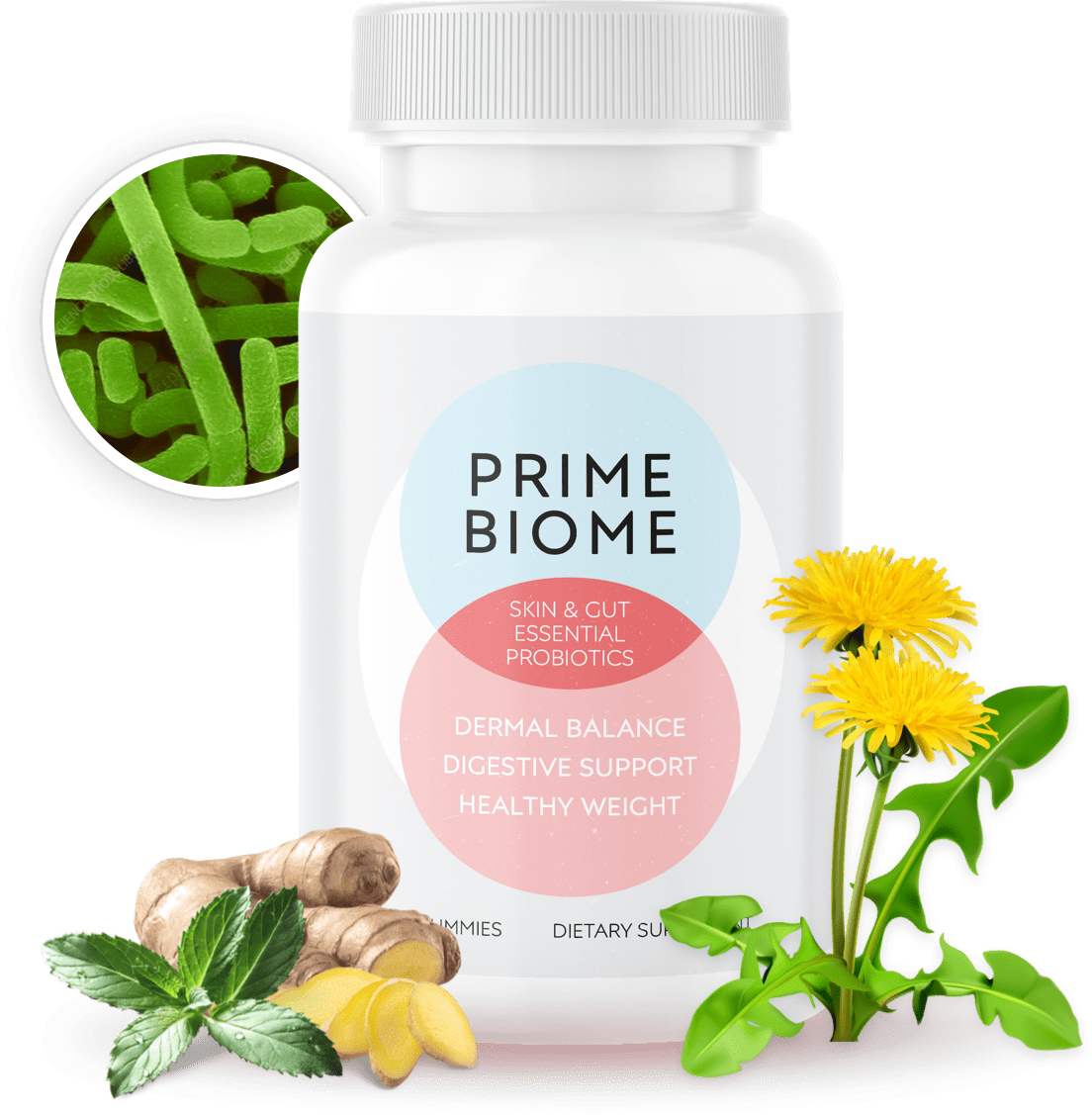
PrimeBiome
What It Does / What Science Suggests
Skin cell turnover rejuvenates skin by replacing old cells with new ones. This process is important to maintain in order to support healthy aging, optimal gut health and for the appearance of healthy youthful skin. PrimeBiome supports beneficial bacteria, helping to promote better skin health and a more youthful appearance.
How I Used It / Tips
I’m taking one gummy 30 minutes before breakfast.
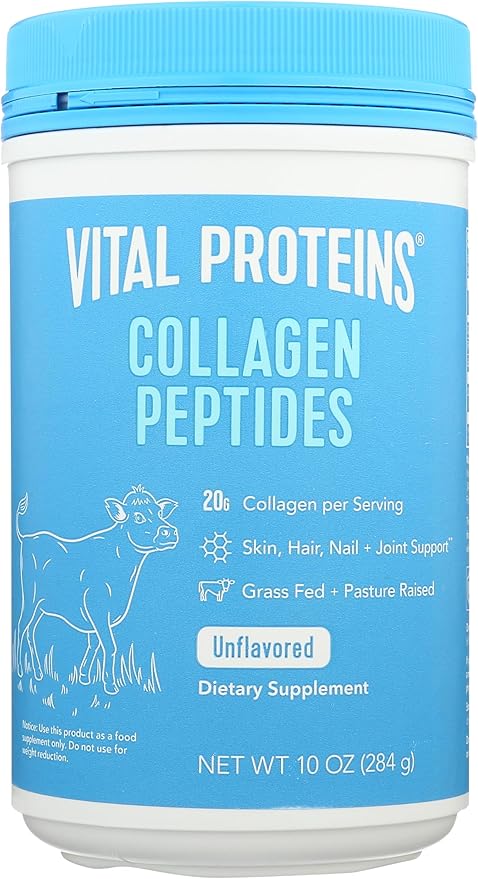
Vital Proteins Collagen Peptides
What It Does / What Science Suggests
Collagen supports elasticity and hydration, and studies show it may improve skin firmness and reduce wrinkles.
How I Used It / Tips
Mixed a scoop into morning smoothies. Made my skin feel plumper and nails stronger
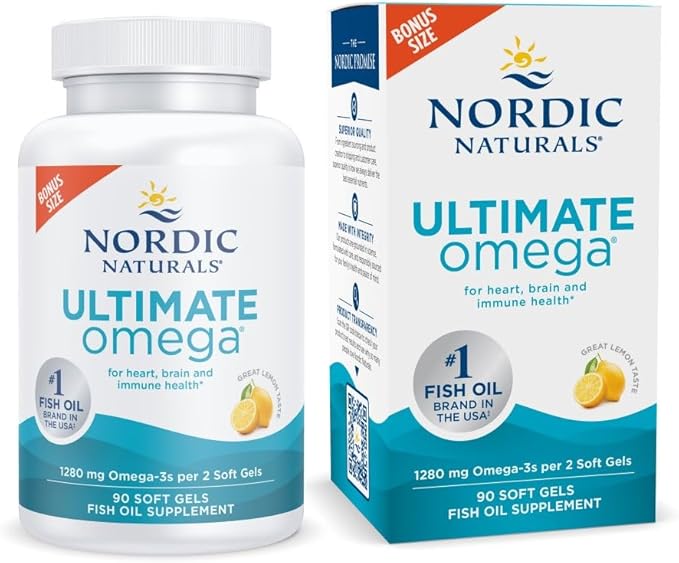
Nordic Naturals Omega-3 Fish Oil
What It Does / What Science Suggests
Omega-3s reduce inflammation, support the skin barrier, and improve hydration from the inside out.
How I Used It / Tips
Took capsules with lunch. Noticed my skin looked less dry, especially in winter.
Key Steps for Keeping the Rhythm
Through trial, error, and plenty of reading, I learned a few rules for keeping skin renewal on track. Think holistically: sleep, nutrition, and stress management keep hormones and gut flora balanced. Feed your skin inside and out with fiber-rich foods, probiotics, and creams rich in ceramides and natural oils. Exfoliate wisely—gentle is better than aggressive. Encourage circulation with facial massage or gua sha. And above all, protect your skin daily with SPF, because UV damage is the fastest way to disrupt renewal.
Final Thoughts
Skin cell turnover is the quiet, behind-the-scenes process that determines whether your complexion looks radiant or dull. By understanding the renewal cycle, supporting your gut, managing stress, and choosing gentle, proven actives, you can restore balance and glow—without compromise. In this video below Dr. Jessica R. Burgy explains in detail how the skin cell turnover works:
I used to think glowing skin was about finding the right miracle product. Now I know it’s about balance—inside and out. And the best part? It’s never too late. Whether you’re 25 or 65, your skin can renew, repair, and shine again.
So the next time you catch your reflection in a window and think, Ugh, I look tired, remember: your skin isn’t broken. It just needs a little nudge to get back in rhythm. And with the right habits, that natural glow is absolutely waiting for you.