
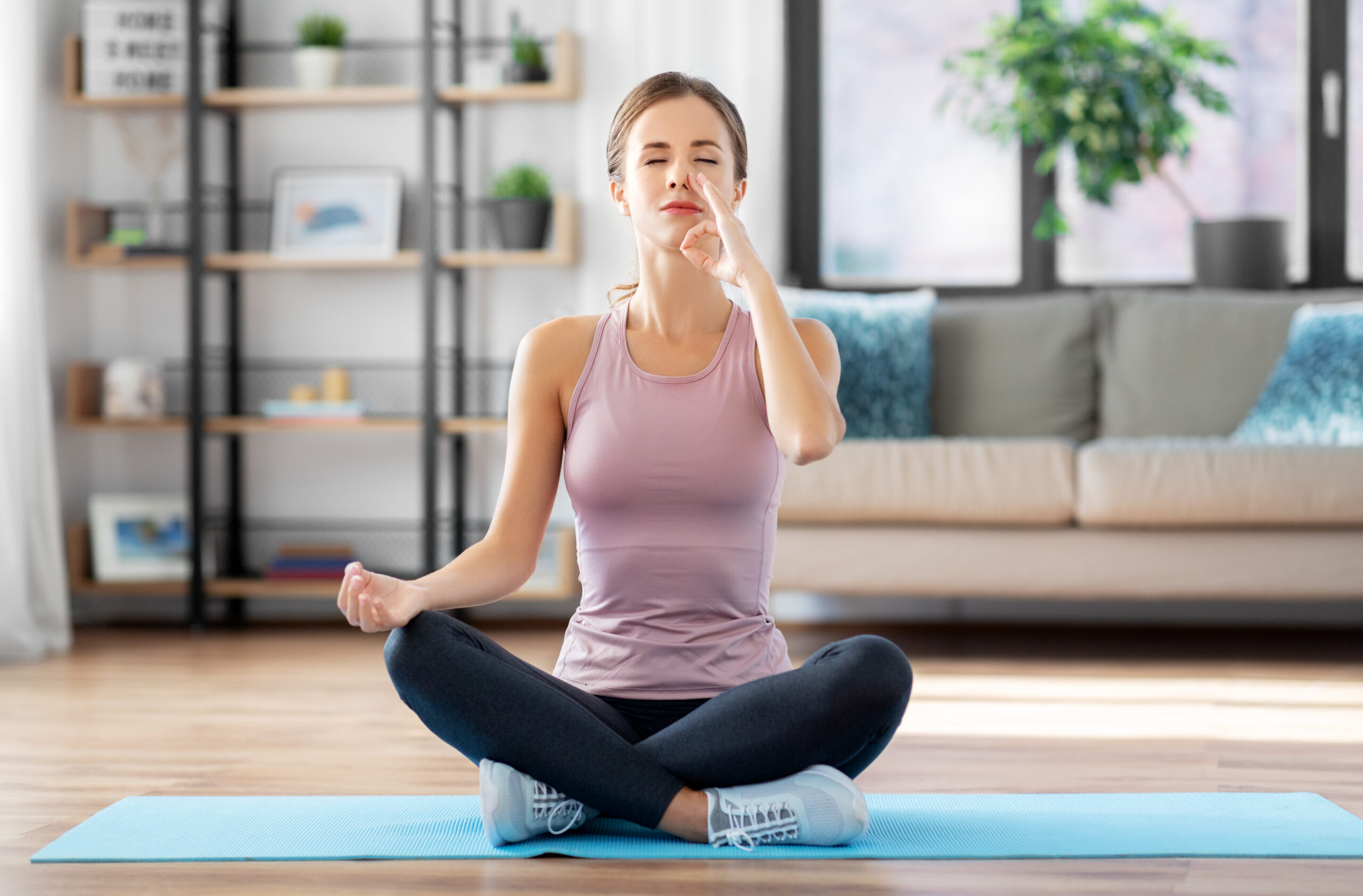
If you had told me a few years ago that breathing — something I’ve been doing my entire life — could change the way I feel, I probably would have rolled my eyes and said, “Sure, and maybe blinking will fix my stress too.”
But then I discovered breathwork.
It all started on one of those days where everything that could go wrong… did. You know the kind — the coffee spills, the Wi-Fi crashes, the to-do list triples, and by 2 p.m., you’re wondering if running away to live in the forest might actually be the best life decision ever.
I remember sitting at my desk, feeling completely overwhelmed — heart racing, shoulders tense, and that familiar lump of anxiety sitting in my chest. Out of pure desperation, I opened YouTube and typed “quick stress relief.”
The first thing that popped up? A breathwork video.
“Okay,” I thought, “I can breathe. I’ve been doing that since birth. How hard can it be?”
Three minutes later, I was shocked. My mind felt clearer. My heart rate slowed. My body relaxed in a way I hadn’t felt in months. And all I did was breathe differently.
That moment changed everything.
The Science Behind the Breath
Breathwork might sound woo-woo, but it’s pure biology. Your breath is the remote control for your nervous system. When you breathe quickly and shallowly (hello, stress mode), you activate your sympathetic nervous system — the “fight or flight” response.
When you slow your breathing, especially your exhale, you activate the parasympathetic nervous system — your body’s natural “rest and repair” mode.
It’s like flipping a switch from chaos to calm.
Research backs this up: studies show that controlled breathing lowers cortisol levels, reduces blood pressure, improves digestion, and even boosts mental clarity. It also increases heart rate variability (HRV) — a key marker of resilience and emotional balance.
In other words, your breath can literally reprogram your body’s stress response.
And here’s the best part — it’s free, it’s always available, and you can do it anywhere (yes, even in the middle of a stressful Zoom call).
Turn On Your Body's Fat Burning Power House!
Why Women Especially Benefit from Breathwork
As women, our nervous systems take a beating. Between hormonal changes, emotional labor, and the constant pressure to “do it all,” we often live in a state of low-grade stress.
Our hormones — especially cortisol, estrogen, and progesterone — are sensitive to stress. When cortisol stays high, it throws everything else off balance: mood, sleep, digestion, even our menstrual cycles or menopausal symptoms.
Breathwork helps reset that balance by lowering cortisol and improving oxygen flow — bringing both the body and mind back to center.
Think of it as your built-in stress relief tool, available 24/7, no prescription required.
My “Aha” Moment
After that first YouTube experiment, I started adding short breathing sessions into my day. At first, I thought of it as something “extra” — like self-care sprinkles on top of my busy schedule. But soon, I realized it wasn’t extra — it was essential.
I started using breathwork before important calls, when I couldn’t sleep, or when anxiety hit out of nowhere.
And then, one day, something funny happened. I was standing in line at the grocery store, feeling that familiar wave of stress rise as the woman ahead of me tried to pay for her groceries in coins (bless her heart). Normally, I’d be silently fuming.
Instead, I took a deep, slow breath. Then another. And just like that, my body relaxed.
That’s when it hit me: I didn’t need a yoga mat, a meditation app, or even peace and quiet. I just needed my breath.
The Breathwork Routine That Changed My Life
Ready to try it? Here’s my go-to 5-minute Breathwork for Balance routine. It’s simple, science-backed, and works whether you’re at your desk, in bed, or hiding from your kids in the bathroom (no judgment).
Step 1: The Reset Breath (30 seconds)
This one’s to calm your racing mind.
Inhale through your nose for 4 seconds.
Exhale through your mouth for 6 seconds, like you’re sighing out all your stress.
Repeat 4–5 times.
You’ll feel your body start to loosen up almost instantly.
Step 2: The Box Breath (2 minutes)
This one’s used by Navy SEALs for focus — and if it works for them, it’ll work for your Monday morning chaos.
Inhale through your nose for 4 seconds.
Hold your breath for 4 seconds.
Exhale slowly for 4 seconds.
Hold again for 4 seconds.
Repeat this cycle 6–8 times. It balances oxygen and CO₂ levels and centers your mind beautifully.
Step 3: The Heart-Soothing Breath (2 minutes)
Perfect for anxiety, overwhelm, or when you just need to feel grounded again.
Place one hand on your chest and one on your belly.
Inhale slowly through your nose for 5 seconds, feeling your belly rise.
Exhale gently through your mouth for 7 seconds.
Focus on the movement under your hands — your breath filling your body, your body letting go.
Step 4: The Gratitude Breath (30 seconds)
End with three slow, mindful breaths.
On each exhale, think of something you’re grateful for — your morning coffee, your health, a friend, the sunlight through the window.
This part might seem cheesy, but it rewires your brain to associate calm with positivity.
That’s it. Five minutes. No chanting, no incense, no complicated techniques. Just breath, body, and presence.
The Hidden Benefits No One Talks About
Once I started practicing breathwork regularly, I noticed unexpected changes. My digestion improved. My brain fog lifted. And I didn’t get those random 3 p.m. energy crashes as often.
Science explains why: deep breathing increases oxygen delivery to your cells, which improves energy and focus. It also boosts the vagus nerve, your body’s superhighway of calm, helping you digest food better, think clearer, and sleep deeper.
Basically, breathwork is like hitting “reset” on your nervous system every day — but without needing a vacation or a spa day.
Common Myths About Breathwork (Let’s Clear These Up)
Myth #1: “I don’t have time.”
If you have time to scroll Instagram, you have time to breathe. Even one minute makes a difference.
Myth #2: “I’m not good at meditating.”
Perfect — because this isn’t meditation. It’s movement for your lungs. You don’t have to clear your mind; you just have to breathe intentionally.
Myth #3: “I tried it once, and it didn’t work.”
That’s like saying one workout didn’t make you fit. The power of breathwork is in consistency. Your body learns to trust the calm you create.
How to Make It a Habit
Start small. Try one minute of slow breathing each morning before you check your phone. Or do the “box breath” before an important meeting.
I like to pair it with triggers:
After my morning coffee
Before opening my laptop
When I notice my shoulders creeping up to my ears
Soon, it becomes second nature — your body’s built-in “calm button.”
Final Thoughts
We spend so much of our lives searching for balance — through books, diets, and endless self-improvement hacks. But sometimes, the answer is as simple as a breath.
Your breath is always there, waiting to guide you back to yourself — to stillness, to clarity, to balance.
So the next time life feels like too much, pause. Close your eyes. Inhale slowly. Exhale even slower. Feel your heart rate drop, your shoulders soften, your body remembering peace.
You don’t need to fix everything right now. You just need to breathe.
Because sometimes, the most powerful thing you can do is nothing at all — except let yourself exhale.