For the longest time, I never really thought much about how the food I ate was connected to the way I felt day to day. Like so many women, I focused on calories, carbs, or whatever diet trend was buzzing at the time. I didn’t realize that what I was putting on my plate was directly shaping my energy, my mood, my skin, and even the regularity of my cycles.
It wasn’t until my own hormones started feeling “off” that I began to pay closer attention. I was dealing with bloating, irritability, unpredictable energy crashes, and an overall sense of being out of sync with my body. The doctors I saw didn’t have much to say beyond “it’s stress” or “it’s part of getting older.” But in my gut, I knew food had to play a bigger role.
That’s when I began looking at nutrition not just as a way to feed myself, but as medicine.
How Food Became My First Step to Healing
I remember sitting at my kitchen table one night, scrolling through research articles with a cup of chamomile tea in hand, desperate for answers. Study after study showed the same thing: diet is one of the most powerful tools we have for balancing hormones. Unlike pills or quick fixes, food works gently but deeply, giving our bodies the raw materials they need to function properly.
That’s when I started making small changes—one meal at a time. Instead of chasing perfection, I experimented with foods that science said could support hormone health. Within weeks, I noticed subtle shifts: fewer sugar cravings, better digestion, and steadier energy. Over months, my cycles became more predictable, my mood lifted, and that heavy, bloated feeling that had followed me around started to fade.
Turn On Your Body's Fat Burning Power House!
Why Hormones Depend on What You Eat
Hormones are chemical messengers that control everything from metabolism to mood to reproductive health. And just like any messenger, they need the right support system to work effectively. Food provides the building blocks—proteins, fats, vitamins, minerals, and phytonutrients—that keep hormones in balance.
For example, healthy fats like omega-3s are essential for hormone production. Without them, your body can’t produce enough estrogen and progesterone to keep cycles regular or support mood stability. Fiber, found in fruits, vegetables, and whole grains, plays a critical role in helping the body metabolize excess estrogen, which can otherwise cause symptoms like heavy periods, PMS, and bloating. Even something as simple as stabilizing blood sugar through balanced meals can keep insulin in check, preventing the rollercoaster of highs and crashes that disrupt other hormones too.
The more I learned, the more I realized that food wasn’t just fueling me—it was healing me.

My Hormone-Friendly Food Staples
When I shifted to a hormone-supportive way of eating, I didn’t follow a rigid plan. Instead, I began adding foods into my daily life that made me feel nourished and balanced. Over time, these became my staples:
I started with healthy fats—avocados on toast, chia seeds in smoothies, and wild-caught salmon once or twice a week. These fats became the foundation for hormone production, and I noticed my skin looking healthier and my energy lasting longer throughout the day.
Next came fiber-rich foods. I added more vegetables, beans, and oats to my meals. Fiber helped regulate my digestion and reduced the bloating that used to make me dread certain days of the month. It also supported estrogen balance, which was crucial for my mood and cycles.
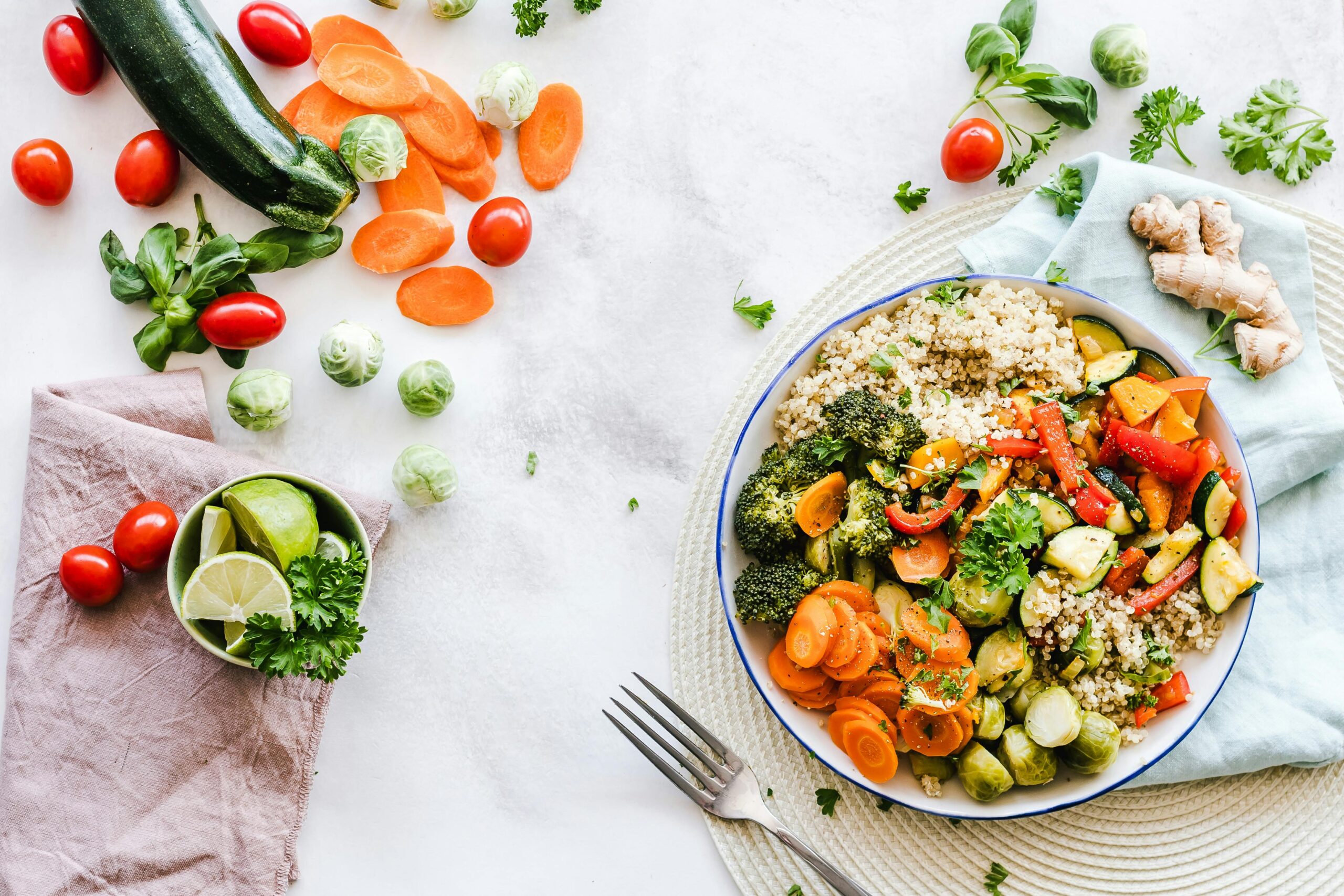
I discovered the power of cruciferous vegetables like broccoli, cauliflower, kale, and Brussels sprouts. These vegetables contain compounds that help the body detoxify excess estrogen—a game changer for PMS symptoms. I made roasted broccoli a dinner staple and even learned to love kale salads with lemon and olive oil.
To support steady energy, I focused on protein at every meal. Instead of relying on carbs alone, I added eggs, chicken, lentils, or quinoa. Protein stabilized my blood sugar, kept my energy steady, and reduced my afternoon crashes.
One of my favorite discoveries was flaxseeds. They’re rich in lignans, plant compounds that can gently support estrogen balance. I sprinkled ground flax into my oatmeal and smoothies, and it became such a simple habit that made me feel more grounded during my cycle.
And of course, I can’t forget colorful fruits and vegetables. Blueberries, pomegranates, spinach, peppers—all full of antioxidants that fight inflammation and oxidative stress, which directly impact hormonal health. The brighter my plate looked, the better I felt.
The Science Behind These Choices
Every change I made had science backing it up. Studies show that omega-3 fats from fish and seeds improve hormone communication and reduce inflammation, which plays a role in everything from PMS to menopause symptoms. Fiber helps clear “used” hormones from the body, preventing them from building up and creating imbalance. Cruciferous vegetables contain a compound called indole-3-carbinol, which supports liver detoxification pathways for estrogen. And flaxseeds, with their unique phytoestrogens, help balance hormones gently rather than forcing them in one direction.
Blood sugar balance was perhaps the most critical piece. Every time we eat a high-sugar meal, our insulin spikes, and this ripple effect can disrupt cortisol, testosterone, and estrogen. By pairing carbs with protein and healthy fats, I noticed fewer mood swings, less brain fog, and much more energy to get through the day.
A Day in My Life With Hormone-Friendly Eating
To give you an idea of what this looked like in practice, here’s how a typical day evolved for me.
Breakfast became a bowl of warm oatmeal topped with ground flaxseed, blueberries, and a spoonful of almond butter. Lunch was often a colorful salad with leafy greens, roasted sweet potatoes, chickpeas, pumpkin seeds, and olive oil. For dinner, I might roast salmon with a side of quinoa and broccoli drizzled in tahini. Snacks were simple: apple slices with walnuts, carrot sticks with hummus, or a handful of pumpkin seeds.
I wasn’t perfect, and I didn’t cut out every indulgence. But by focusing on adding nourishing foods rather than obsessing over what to remove, I naturally started craving the things that made me feel good.
Beyond the Plate
Of course, food is just one piece of the puzzle. I paired these changes with better sleep, movement, different supplements, and stress management, which amplified the results. But food was the foundation. It was the daily act of choosing nourishment that slowly but surely brought my hormones back into balance.
What surprised me most was how empowering it felt. Instead of being at war with my body, I began to feel like we were on the same team. Every bite became a way of saying, I hear you. I’m supporting you.
Final Thoughts
If you’re struggling with hormonal imbalance, I want you to know that you don’t have to overhaul your entire diet overnight. Start small. Add flaxseeds to your breakfast. Swap soda for water or herbal tea. Roast some broccoli with your dinner tonight. These small, consistent choices add up to big shifts over time.
Food truly is medicine. It has the power to calm the storm inside your body and bring you back to a place where you feel balanced, energized, and like yourself again. The journey isn’t about restriction—it’s about nourishment, compassion, and reconnecting with your body in the most natural way possible.
And once you start to feel that balance return, you’ll realize just how powerful the right foods can be.